
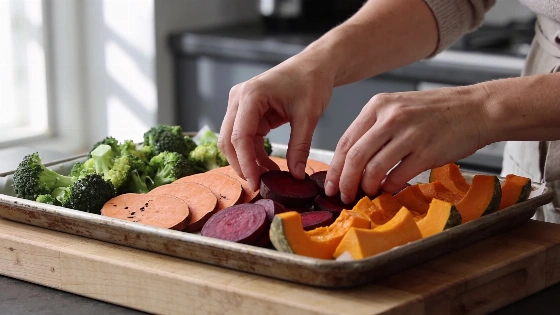
When cold and flu season arrives, ginger is often the first thing people reach for to fight inflammation. But this fall, four vegetables-broccoli, sweet potatoes, beets, and pumpkin-quietly offer even more when it comes to nutrition. Each is packed with antioxidants and compounds that help your immune system handle seasonal threats.
Broccoli, usually seen as a year-round staple, is actually harvested in the fall. Unlike ginger, it contains sulforaphane, a compound studied for its ability to activate the Nrf2 pathway and reduce inflammation in lab settings. Most of this research is early-stage and focuses on how the compound works in the body, not on direct clinical results. Broccoli is easy to add to meals-roasted, steamed, stir-fried, or raw in salads and veggie trays.
Broccoli, sweet potatoes, beets, and pumpkin each deliver a unique blend of antioxidants, fiber, and phytonutrients-nutrients that are often highlighted on Supplement Facts panels for their role in supporting immune and metabolic health.
Sweet potatoes, with their orange and purple colors, bring more than just visual appeal. Research shows they are rich in carotenoids, fiber, vitamins A and C, and potassium-all nutrients linked to anti-inflammatory and immune-supportive effects. These same nutrients boost the value of meal replacement shakes and superfood blends. Sweet potatoes work well roasted, mashed, or sliced for toast, making them a flexible choice for fall meals.
Beets can be divisive at the table, but their anti-inflammatory benefits are well documented. Their standout compound is betalain, a pigment with antioxidant and anti-inflammatory properties shown in research. Betalains have been linked to lower oxidative stress and may help protect DNA and reduce LDL cholesterol, though most findings come from lab and early human studies. Roasting brings out their sweetness, and beets fit easily into grain bowls, dips, or smoothies.
Pumpkin gets most of its attention in autumn, but the vegetable itself-not the sugary lattes-delivers real nutrition. Reviews highlight pumpkin's carotenoids, polyphenols, and fiber as the main sources of its antioxidant and anti-inflammatory effects. These nutrients are often included in functional drink mixes and plant-based protein powders, where clear labeling of ingredient amounts matters. Pumpkin works in both sweet and savory dishes, from muffins and pancakes to soups, curries, and risottos.
Claims Check: While many brands market superfood blends and shakes with terms like 'detox' or 'immune support,' regulatory authorities such as the FDA require that such claims be substantiated by clinical evidence and not imply disease treatment or prevention. For ingredients like sulforaphane, betalains, and carotenoids, most anti-inflammatory benefits are supported by mechanistic and early-stage studies, not large-scale clinical trials.
As temperatures drop and illness risk rises, your body's defenses can use all the help they can get. The real value of these four vegetables isn't about being "stronger than ginger," but about their combined antioxidants, fiber, and phytonutrients that support immune and metabolic health. They add more than just color to your plate-they bring real benefits for immune function and inflammation, as shown in peer-reviewed nutrition research.
Ginger is still a popular choice, but these vegetables offer a wider range of nutrients and fit easily into everyday meals. Their fiber, antioxidants, and vitamins work together to ease stress on the body and support overall wellness. If you're considering powdered meal replacements or superfood blends, check that ingredient amounts are clearly listed and avoid products with vague proprietary blends, especially when anti-inflammatory claims are made.
Beyond the produce aisle
Diet is just one part of managing inflammation. A balanced approach-eating a variety of vegetables, fruits, whole grains, beans, legumes, nuts, and seeds-remains essential. Omega-3s from fatty fish, nuts, and seeds also help reduce inflammation. Regular physical activity, enough sleep (seven to nine hours a night), and stress management through journaling or meditation all play a role in keeping inflammation in check.
If you want more seasonal ideas, a recent feature looks at how September's produce can help fight inflammation as fall begins.
As autumn routines settle in, the evidence is clear: filling your plate with broccoli, sweet potatoes, beets, and pumpkin is a practical, research-backed way to support your immune system and manage inflammation. These vegetables don't just rival ginger-they offer a broader nutritional toolkit for the season. For anyone looking to stay healthy as the weather cools, these fall foods deserve a spot at the center of the table.