
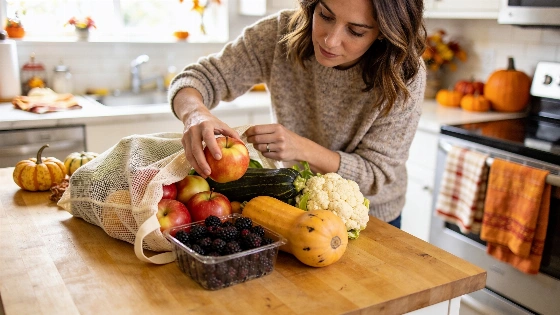
Chronic inflammation can drain your energy and make you more vulnerable to illness. As fall sets in, the produce section quietly fills up with some of the best foods for easing inflammation-right when your body could use the help.
A medium apple contains approximately 4-13 mg of quercetin, a flavonol concentrated in the skin, while 100 g of raw blackberries delivers 5.3 g of fiber and 43 kcal-metrics that matter for label transparency and formulation comparisons.
Take apples: they're a source of polyphenols, especially procyanidins and quercetin, most of which are in the skin. If a product uses apple powder or extract, it should say whether the peel is included. A typical apple has about 4-13 mg of quercetin, but this detail is rarely listed in proprietary blends. Polyphenols in apples have antioxidant activity and may support metabolic health, though the evidence for disease prevention depends on context and isn't specific to any one product.
Blackberries are notable for their fiber-5.3 g per 100 g serving, according to USDA FoodData Central. This makes them a good ingredient for shakes aimed at digestive health or blood sugar control. Their polyphenols and anthocyanins have been linked to antioxidant and anti-inflammatory effects, but the benefit depends on the actual dose and form in the product. Clear labeling of berry extracts or powders helps consumers know what they're getting.
Claims Check: While plant polyphenols and flavonoids show antioxidant and anti-inflammatory activity in research, clinical evidence for the specific seasonal benefit of apples, blackberries, squash, and cauliflower as a group is limited. Regulatory authorities require that product claims be supported by disclosed ingredient dosages and peer-reviewed studies, not just general associations.
Squash-like butternut and delicata-gets attention for its beta-carotene, polyphenols, and fiber. These nutrients support antioxidant defenses and gut health, but the real impact in a shake or powder depends on the form (whole powder or extract), serving size, and whether the label lists active dosages. Just seeing squash on an ingredient list doesn't guarantee a clinical benefit unless the formulation is transparent and evidence-based.
While plant polyphenols and flavonoids are linked to anti-inflammatory and metabolic benefits, the effect depends on context and isn't the same as proven therapeutic results for any single product or blend. Under current FDA dietary supplement guidelines, brands can't claim to cure or treat diseases without strong clinical evidence and clear dosage information.
For shoppers, the best approach is to look for products with full Supplement Facts, standardized ingredient amounts, and third-party certifications (like NSF or USP) when possible. That way, the anti-inflammatory promise of seasonal produce is more than just a marketing line-it's something you can actually check on the label.