
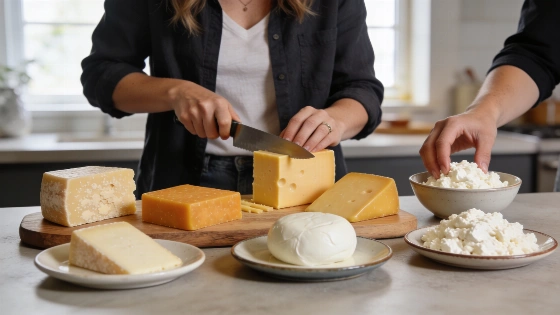
Cheese has a reputation as a comfort food, but for anyone paying attention to nutrition, it's more than that. A handful of cheeses quietly outperform many so-called health foods when it comes to protein, and they do it without sacrificing flavor.
USDA FoodData Central confirms that cheddar and mozzarella each deliver about 9 grams of protein per 28-gram serving, while low-fat cottage cheese can reach up to 17 grams per 170-gram serving-making these cheeses some of the most protein-dense options in the dairy aisle.
Protein isn't just for athletes. It helps repair muscle, keeps you full, and supports steady blood sugar. Adding high-protein cheese to a meal makes it more satisfying and less likely to leave you hungry soon after. The numbers are straightforward: Parmesan has about 9 grams per ounce, cottage cheese ranges from 10 to 17 grams per half cup, Swiss has 8 grams per ounce, and Cheddar, Gouda, and mozzarella each land between 7 and 9 grams per ounce. That's more than most snack foods can offer.
Each cheese brings something different. Parmesan's long aging and low moisture concentrate both flavor and nutrients, and its low lactose makes it easier for some people to digest. Cottage cheese is high in casein, a slow-digesting protein that helps you stay full. Swiss cheese is lower in sodium and contains vitamin B12 and zinc. Cheddar's flavor gets sharper with age, and it's also a source of calcium, phosphorus, and vitamin A. Gouda's protein crystals are a sign of its density, and mozzarella works in everything from salads to sandwiches.
Claims Check: While cheese is often marketed as a source of calcium and protein, regulatory standards require that nutrition labels accurately reflect serving size and macronutrient content. The FDA mandates that all cheese products disclose total protein per serving, and independent audits have confirmed that common varieties like cheddar and mozzarella consistently meet or exceed their labeled protein values.
If you want results, the evidence is clear: adding high-protein cheeses to your meals supports muscle maintenance, satiety, and metabolic health. The idea that cheese is just an indulgence is outdated. With the right choices, cheese can be a practical part of better nutrition.
The USDA classifies cheddar, Swiss, mozzarella, and Parmesan as standard "natural cheese" commodities, not niche products. Their nutrition profiles are subject to strict reporting and oversight. For anyone comparing protein sources, these cheeses offer a label-verified way to boost daily intake-especially compared to many processed snacks or protein blends with less transparent ingredients. For more on reading protein and ingredient claims, see our guide to USDA FoodData Central and the USDA cheese reporting rules.