
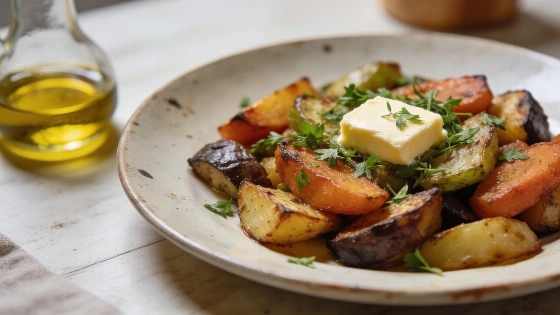
One tablespoon of butter contains about 7 grams of saturated fat. That can take up a sizable share of a day's recommended limit, even in a modest serving. Butter is not automatically off-limits for people watching cholesterol. Portion size and the rest of the meal matter.
Cholesterol in food is different from cholesterol in the blood. For most people, dietary cholesterol has less effect on blood cholesterol than saturated fat, which can raise LDL. People respond differently. Anyone managing elevated LDL should follow advice suited to their health history, as described in NIH cholesterol guidance. That difference matters.
One tablespoon of butter provides about 7 g of saturated fat. That is roughly half of the American Heart Association's 13 g daily benchmark for a 2,000-calorie diet aimed at lowering LDL.
Why saturated fat matters more than food cholesterol
U.S. federal dietary guidance recommends keeping saturated fat below 10% of daily calories. On a 2,000-calorie diet, that means about 22 grams. The American Heart Association recommends a lower range of around 5-6% of calories for people seeking to lower LDL. At 2,000 calories, that is about 11-13 grams. These are general benchmarks, not personal prescriptions.
Portion size counts, but one food does not tell the whole story. A tablespoon of butter has roughly 7 grams of saturated fat. You can compare that with your day's intake using USDA FoodData Central. The amount can vary by product and serving size.
A heart-conscious eating pattern replaces some saturated fat with unsaturated fats from foods such as olive and other vegetable oils, nuts, seeds, and legumes. It also includes vegetables, fruits, and whole grains. Think about what the butter replaces. Swapping it for a source of unsaturated fat is different from adding more fat to a meal.
Use butter as a supporting ingredient
Add a small amount to finish vegetables or bring out their flavor. Don't rely on butter as your main cooking fat. Beans, oats, fruit, and vegetables can all fit into a cholesterol-conscious pattern. Herbs, garlic, and spices add flavor without more butter. Keep it simple.
Mixing butter with olive or avocado oil may lower the share of saturated fat compared with using butter alone. The amounts still matter. This follows the same substitution advice in earlier fat-swap guidance: what a food replaces matters as well as what it contains.
Use the same label-reading approach for ready-to-drink shakes, meal replacements, and protein powders. Check saturated fat per serving and the serving size. For powders, count what you mix in. Milk and other additions change the prepared drink's nutrition. Labels such as "clean" or "gut health" don't replace the numbers on the package.
For people managing cholesterol, butter can be an optional flavor. It is neither a health food nor a forbidden ingredient. Keep portions modest and make unsaturated fats and fiber-rich foods regular parts of meals. Count saturated fat from all sources. People with elevated LDL, familial hypercholesterolemia, or cardiovascular disease may need personal targets and lipid monitoring from a healthcare professional.