
Crash diets and quick fixes rarely last. The real key to lasting weight loss is much simpler: eat foods that keep you full, satisfied, and nourished, so you're not constantly hungry or counting the minutes until your next meal.
For most adults, a balanced meal replacement or nutrition shake should deliver at least 15-20 grams of protein per serving, with added fiber (ideally 5 grams or more) and minimal added sugars for optimal satiety and label transparency.
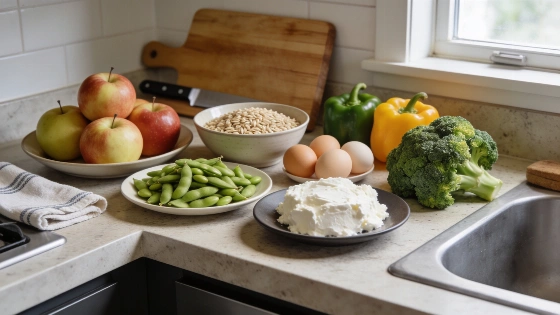
So, which foods actually help with weight loss? Experts like Carolyn Williams, Ph.D., R.D., Frances Largeman-Roth, R.D.N., and Josh Axe, D.C., D.N.M., C.N.S., agree: the best choices are those that combine protein and fiber in a way you'll actually enjoy eating. Apples, for example, offer 5 grams of fiber and a good dose of vitamin C in one large fruit. Barley is the highest-fiber whole grain, helping to steady blood sugar and lower LDL cholesterol. Edamame and cottage cheese are solid sources of plant and dairy protein, while biltong (a dried, cured meat) packs in protein with few calories.
Vegetables like broccoli, Brussels sprouts, artichokes, and asparagus are loaded with fiber and prebiotics, which support gut health and help you feel full. Avocados add healthy fats and flavor, while berries bring antioxidants and phytochemicals that may help with inflammation. Even basic options like carrots, celery, and cucumbers are worth including-they're low in calories but high in fiber and water. These foods fit the USDA Dietary Guidelines, which recommend plenty of vegetables, fruits, whole grains, dairy, and protein foods, while limiting added sugars, saturated fats, and sodium for weight management.
There's no magic "fat-burning" ingredient. The foods that matter are the ones that help you eat less without feeling deprived. Eggs are a versatile, high-quality protein that can anchor any meal. Chia seeds absorb water and expand, helping you stay full. Citrus fruits like oranges and grapefruits offer fiber and antioxidants. Barley and legumes help steady blood sugar and support immune health. The American Heart Association notes that Mediterranean and DASH-style diets-built around legumes, vegetables, fruits, nuts, and whole grains-are linked to better weight control and overall diet quality than diets high in ultra-processed foods.
Claims Check: While many products market themselves as 'detox' or 'fat-burning' solutions, regulatory authorities such as the FDA prohibit supplement brands from making disease treatment or cure claims without robust clinical evidence. Always cross-reference label claims with disclosed ingredient dosages and check for third-party certifications to ensure transparency and compliance.
Instead of searching for a single "superfood," the evidence supports building meals around a mix of high-fiber vegetables, lean proteins, and healthy fats. That could mean roasted Brussels sprouts with eggs for breakfast, a barley and edamame salad for lunch, or cottage cheese with berries as a snack. The goal is to pick foods that fill you up, give you steady energy, and provide the nutrients your body needs-even as you aim for a calorie deficit. For fiber, both the National Academies and the European Food Safety Authority recommend at least 25 grams per day for adults, which supports digestion and metabolism (EFSA dietary fibre guidance).
Sustainable weight loss isn't about deprivation or strict rules. It's about making practical, satisfying choices you can stick with over time. Foods like apples, barley, edamame, eggs, and a variety of vegetables aren't exotic or expensive. They're accessible, versatile, and proven to help you stay full and on track. The real challenge isn't finding a miracle food-it's building meals you'll actually want to eat tomorrow, next week, and next year. That's the only "secret" that works.