
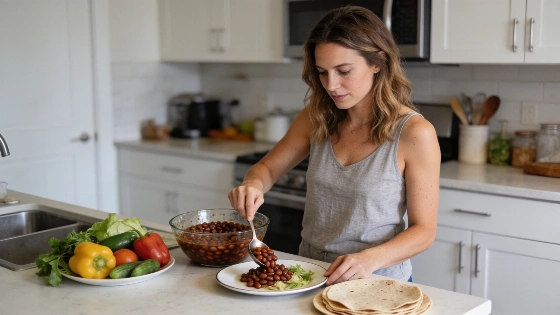
Grocery stores are full of protein-packed foods, many with high price tags. But the best protein for weight loss might already be in your pantry, and it costs far less than most options. Beans have been a staple in diets around the world for generations. Now, they're getting new attention from people who want to manage their weight without spending a lot.
Beans stand out because they offer both protein and fiber. Animal proteins don't have this mix. The protein and fiber in beans fill you up and keep you full for hours. That makes it easier to skip extra snacks. In a study that followed people for ten years, those who ate beans often were less likely to gain weight than those who didn't eat them at all.
A single cup of cooked beans typically delivers 13-15 grams of protein and 13-15 grams of fiber, with less than 1 gram of saturated fat per serving-metrics rarely matched by animal-based proteins at the same price point.
The science behind beans and weight loss
High-protein diets help keep muscle and cut hunger by changing gut hormone signals. Beans go a step further. One cup of pinto beans gives you about 15 grams of protein and 15 grams of fiber. That's a big part of the daily fiber goal-25 grams for women and 38 grams for men. Beans make it easier to lose weight and stick to healthy eating. According to USDA FoodData Central, beans are one of the cheapest plant proteins you can buy. Dried beans last a long time and cost little per calorie.
Beans are different from meat, dairy, or eggs. They're low in saturated fat and have no cholesterol. Beans are also high in potassium, which helps control blood pressure. Studies show that eating just one cup of canned beans a day can lower both total and LDL cholesterol in people with high cholesterol. The cardiometabolic benefits of legumes are backed by peer-reviewed research. These studies find better cholesterol numbers and lower heart risk markers in people who eat beans regularly.
Claims Check: While some brands market bean-based products as 'superfoods' or 'metabolism boosters,' clinical evidence supports their benefits primarily through increased fiber and protein intake, not through any unique fat-burning property. Regulatory authorities require that such claims be substantiated by robust human data and prohibit disease-cure language on Supplement Facts panels.
Beans beat pricey protein trends
Protein snacks and powders are everywhere, but beans are still one of the cheapest ways to get protein. Canned or dried, they last for months and help cut food waste. The average American family throws out up to $3,000 worth of food each year. Beans help stretch your grocery budget while giving you solid nutrition. The Dietary Guidelines for Americans call out legumes as a key part of healthy, affordable eating.
Protein does more than keep muscle. It helps you feel full after meals and raises energy use, so you're less likely to reach for snacks when your energy dips. Some research says you may need up to 1.2 grams of protein per kilogram of body weight each day to keep muscle while losing weight. That makes protein-rich foods like beans even more valuable.
Easy ways to add beans to your meals
Beans are easy to use in all kinds of dishes. Try chickpea-tuna salad in lettuce wraps, sausage and kidney bean chili, or sweet potato and black bean tostadas. Their mild taste and hearty feel work in many meals, whether you're cooking for yourself or a group.
If you want to know more about fiber's benefits, a recent report explains how fiber-rich foods like beans help with blood sugar and overall metabolic health.
Beans aren't just a cheap protein. They're packed with nutrition that helps with weight control, heart health, and meal planning. In a market full of expensive protein products, beans stand out for their proven benefits and easy access. If you want healthy, lasting weight loss, beans should have a regular place on your plate.