
High doses of vitamin E can quietly put your health at risk. Supplements taken in excess have been linked to increased bleeding, especially for people on blood thinners or with clotting problems. For most healthy adults, though, true vitamin E deficiency is uncommon and usually tied to fat malabsorption disorders rather than diet. This difference matters when interpreting blood tests and deciding if supplements are needed.
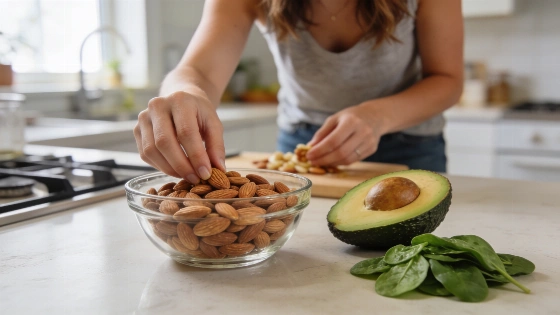
Vitamin E is a fat-soluble antioxidant found in foods like almonds, sunflower seeds, and avocados. It helps protect cells from oxidative damage, supports the immune system, and is involved in cell signaling. Authorities such as the European Food Safety Authority (EFSA) recognize these roles but warn against unsupported health claims on supplement packaging.
In the EU, the maximum permitted level for vitamin E in supplements is set at 18 mg per day, aligning with EFSA guidance. This is well below the 1,000 mg upper limit established for adults, reflecting a conservative approach to safety.
- Shake Nutrition Editorial Desk
Researchers are still studying vitamin E's effects on muscle recovery, skin health, and immune defense. Some studies point to benefits in reducing oxidative stress and helping the body recover from intense exercise, but the evidence for routine supplementation in healthy people is mixed. Large reviews have not found vitamin E to reliably prevent heart disease or cancer in the general population.
Vitamin E's possible roles in brain health and vision are also being explored. For example, people with Alzheimer's disease often have lower blood levels of vitamin E, and some research suggests a benefit for those with advanced age-related macular degeneration. Still, these findings don't justify widespread supplement use, especially given the risks of high doses.
Most people can get enough vitamin E from food. Top sources include nuts, seeds, and plant oils, and absorption improves when eaten with dietary fats. An ounce of almonds provides nearly half the daily requirement, and a varied, plant-rich diet usually covers the rest. Vitamin E from food has not been linked to side effects, unlike high-dose supplements.
Claims Check: Despite marketing language promoting vitamin E for heart and immune health, regulatory reviews and meta-analyses show no consistent benefit for cardiovascular disease or cancer prevention in the general population. Supplementation should be reserved for individuals with clinically diagnosed deficiencies or absorption disorders, not as a routine wellness strategy.
- FDA / Clinical Nutrition Review (source)
If you do consider supplements, check the label for the form and dosage-natural (d-alpha tocopherol) or synthetic (dl-alpha tocopherol)-and avoid products that hide exact amounts behind proprietary blends. The main risk of too much vitamin E is increased bleeding, especially for those taking anticoagulants or antiplatelet drugs. Always talk to your doctor before starting any supplement, particularly if you have health conditions or take prescription medications.
In short, vitamin E is important for cell protection and immune support, but most healthy adults can meet their needs through food. Supplements may help people with certain medical conditions that affect fat absorption, but for most, the risks of high doses outweigh the possible benefits. Focus on whole foods, read supplement labels carefully, and approach marketing claims with skepticism. An informed approach is your best protection.