
High cholesterol doesn't come with obvious symptoms, but its effects are hard to ignore. For many people, the real risk isn't a single meal or genetics-it's the small, everyday habits that quietly wear down heart health. Even minor choices, repeated over time, can raise LDL cholesterol and chip away at the benefits of HDL, increasing the risk of heart disease.
In nutrition shakes and meal replacements, the protein-to-calorie ratio and the type of fat (saturated vs. unsaturated) are more predictive of heart health impact than the cholesterol content per serving.
How sitting and skipping meals affect cholesterol
It's not only about food-how you move, sleep, and start your day matters too. Recent reviews show that sitting for long stretches is linked to worse cholesterol numbers. Taking breaks to move, even briefly, can lower triglycerides. In one large study, people who sat more than nine hours a day had a 42% higher risk of heart disease than those who sat seven hours or less. This risk remains even for people who exercise, so breaking up sitting time is important. If you use nutrition shakes or meal replacements, think about how they fit into your daily routine, not just their nutrition label.
Skipping breakfast is another habit that can quietly raise cholesterol. Studies find that people who regularly skip breakfast have LDL cholesterol about 9 mg/dL higher than those who eat in the morning. The effect is stronger in people with obesity or who are less active. If you use shakes or powders as a breakfast substitute, look for options with added soluble fiber (like inulin or psyllium) and little added sugar. Starting the day with fiber-whether from whole foods or a well-made shake-can help keep cholesterol in check.
The link between sleep and cholesterol
Cutting back on sleep to get more done comes with a price. Poor sleep is tied to higher levels of small, dense LDL cholesterol, especially in people who sleep less than six hours. Both how long and how well you sleep affect cholesterol and triglycerides. Drinks or shakes with lots of caffeine or stimulants can disrupt sleep and, in turn, your cholesterol. Aim for seven to nine hours of sleep, keep a regular bedtime, and put away electronics before bed to help both sleep and heart health.
Claims Check: Many brands market shakes and superfood blends as 'cholesterol-lowering' or 'heart healthy,' but under FDA regulations, such claims must be substantiated by clinical evidence and cannot be based solely on the presence of fiber or plant sterols. Always verify that the product discloses the exact amount of active ingredients per serving and look for third-party certifications when possible.
Small changes that make a difference
You don't need to overhaul your life. The most effective changes are often simple: stand up and move every hour, even if it's just to get a glass of water or do a quick chore. Choose activities you enjoy-walking, dancing, or jogging-because doing them regularly matters more than how hard you push. Spending time with people you like also helps, supporting both mood and heart health.
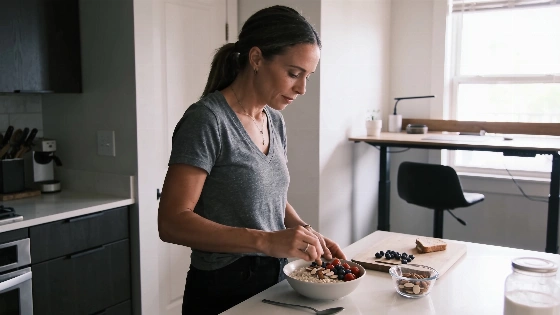
Breakfast is worth another look. Foods high in fiber, like oats, berries, and whole grains, can help lower LDL cholesterol and set a good tone for the day. Even on busy mornings, a small, balanced meal or a shake with enough protein and fiber can help over time. When shopping, check labels for clear protein and fiber amounts and low saturated fat-these details matter most for heart health.
The evidence points to a clear pattern: the habits we barely notice often have the biggest impact. Sitting for hours, missing sleep, and skipping breakfast may seem minor, but over time, they shape cholesterol and heart risk. The upside is that these habits are within reach to change. A few minutes of movement, a steady sleep schedule, and a fiber-rich breakfast are practical steps for better health. If you're concerned about cholesterol, start by looking at these daily routines and talk to a health care provider if you need a plan that fits you. Small, steady changes add up over time.