
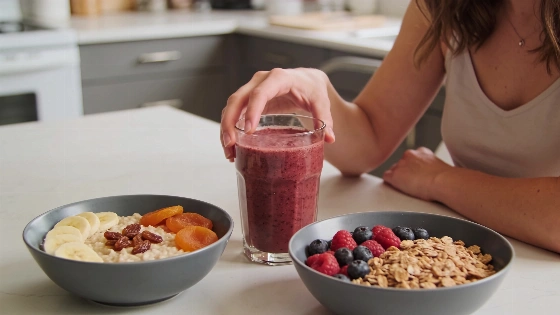
For many Americans with high blood pressure, breakfast can set the tone for the rest of the day. The foods you choose in the morning don't just fill you up-they can help manage blood pressure and lower the risk of heart problems over time.
According to dietitians, three breakfast options stand out: oatmeal, high-fiber cereals, and smoothies. These foods are rich in fiber and potassium, and they keep saturated fat and sodium low. That combination matches what heart health guidelines recommend. Recent research in the European Heart Journal found that eating 3 to 6 servings of whole grains a day is linked to better blood pressure and other heart health markers, with the biggest benefits at 4 to 6 servings daily.
A typical serving of whole grains-such as a bowl of oatmeal or a slice of whole-grain bread-delivers about 15-30 grams per portion. Clinical studies show that 60-80 grams of whole grains daily can reduce systolic blood pressure by approximately 2.4 mm Hg.
Shake Nutrition Editorial Desk
Oatmeal is a top pick, not just because it's a whole grain, but because it's easy to customize. Emily Lachtrupp, M.S., RD, notes that oats are "high in fiber and naturally low in saturated fat and sodium." What you add matters, too. Topping oatmeal with fruits like bananas or dried apricots adds even more potassium, which can help lower blood pressure. The latest studies show that the benefits of whole grains start to show at about 90 grams per day-roughly a bowl of oats plus a slice or two of whole-grain bread.
Cereal is another common breakfast, but not all cereals are equal. Mandy Enright, M.S., RDN, RYT, points out that "people who consume high-fiber, whole-grain cereals have a lower risk of developing high blood pressure," largely thanks to psyllium fiber. The best choices are cereals made from whole grains, high in fiber, and low in added sugar. Pairing cereal with low-fat milk and fruit like bananas or berries adds more potassium. If you're looking at meal replacement powders or shakes, check the label for at least 3 to 5 grams of fiber per serving, less than 200 mg of sodium, and whole-grain ingredients like oat flour or brown rice.
Smoothies are a quick way to get a heart-healthy breakfast, especially if you blend in high-fiber vegetables like kale or beets along with fruit. This makes for a filling meal that's rich in nutrients important for blood pressure. There are plenty of recipes designed for healthy blood pressure, making it easier to get the right mix. When buying smoothie powders or superfood blends, look for clear labeling of fiber sources (such as inulin or psyllium), potassium content, and avoid products that hide ingredient amounts in "proprietary blends."
Claims Check: While many breakfast shake brands market their products as "heart healthy" or "blood pressure friendly," only those with fully disclosed fiber, sodium, and potassium content-and a clear whole-grain or high-fiber ingredient base-align with clinical evidence. The FDA prohibits disease treatment claims on supplement labels unless substantiated by robust scientific data and regulatory review.
FDA / Clinical Nutrition Review (source)
Breakfast is just one piece of the puzzle. Dietitians also stress the importance of staying active, drinking enough water, and getting enough fiber throughout the day. Enright notes that regular exercise helps keep blood pressure in check and can lower stress, which is another risk factor for hypertension. Lachtrupp adds that fiber doesn't just help with cholesterol-it also supports healthy blood pressure. Foods like whole grains, beans, avocados, and sweet potatoes can help you reach your daily fiber goals. For some people, a fiber supplement may be useful.
Staying hydrated matters, too. Not drinking enough water can put extra strain on your heart and blood vessels, so keeping a water bottle nearby and tracking your intake is a simple way to help your heart. For those with high blood pressure, sodium should be limited to no more than 2 grams per day (about 5 grams of salt), as recommended by international nutrition experts and the DASH diet guidelines.
What you eat for breakfast makes a difference. Choosing foods that are low in saturated fat and sodium and high in fiber and potassium is a practical way to support healthy blood pressure. Oatmeal, high-fiber cereal, and smoothies are convenient, evidence-based options for anyone looking to take charge of their heart health first thing in the morning. The research is clear: a heart-healthy breakfast is a simple, effective step toward better blood pressure, and it starts with what you put on your plate.