
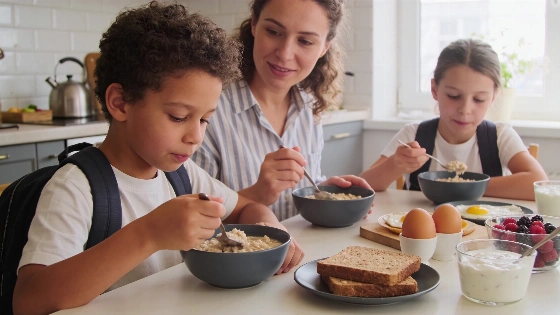
What you put on the breakfast table matters more than you might think. Sugary cereals and plain toast won't do much for focus or memory-especially for kids heading off to school. The science is straightforward: breakfast isn't just a meal, it's a chance to set up your brain for a better day.
Breakfasts that combine protein (such as dairy or eggs), slow-digesting carbohydrates, and a modest amount of healthy fat are associated with more stable energy and improved cognitive test scores compared to high-sugar, low-protein options.
But it's not just about eating anything in the morning. The Cogni-Action Project, which followed over a thousand teenagers, found that breakfasts with at least two food groups-like dairy and grains, or fruit and bread-were linked to higher test scores. Dairy foods, in particular, seemed to help with mental performance. Other research shows that low-glycemic breakfasts, such as oats or dense whole-grain bread, help kids stay focused and remember more, compared to high-sugar foods that cause blood sugar to spike and crash.
Long-term studies back this up. In a group of more than 800 children aged 6 to 12, those who regularly ate breakfast early in life scored higher on cognitive tests six years later. This suggests that breakfast habits can shape learning over the long run, not just for a single morning.
Claims Check: While many breakfast shake brands highlight 'brain fuel' or 'mental clarity' on their labels, FDA regulations prohibit disease treatment claims and require that any cognitive benefit statements be substantiated by clinical evidence for the specific ingredient and dosage used. Consumers should look for products with transparent Supplement Facts panels and avoid those relying on vague proprietary blends.
So what should breakfast actually look like? Start with slow-digesting carbs: rolled or steel-cut oats, bran cereals, multigrain or sourdough bread, apples, oranges, berries, and legumes. These foods give the brain a steady supply of glucose and are often high in fiber, which helps keep hunger away. Berries, fresh or frozen, add plant compounds called anthocyanins that are linked to brain health.
Protein is just as important. Adding Greek yogurt, eggs, cottage cheese, smoked salmon, nuts, seeds, or tofu helps slow down blood sugar spikes and keeps you full longer. Protein also provides amino acids needed for making neurotransmitters that support focus and learning. Eggs are worth highlighting: their yolks are rich in choline, which the body uses to make acetylcholine, a key chemical for mental focus.
Iron matters too, especially for kids and teens. Even mild iron deficiency can make it harder to concentrate and remember things. Animal foods like eggs, turkey, chicken, and smoked salmon provide iron that's easy to absorb. For those who eat plant-based, iron-fortified cereals, oatmeal, pumpkin seeds, chia seeds, prunes, edamame, and tofu are good choices. Eating these with vitamin C-rich fruits-like strawberries, kiwi, or citrus-helps the body absorb more iron.
These breakfast habits aren't just about nutrition-they're about giving kids and adults a real advantage at school or work. The research is clear: a well-planned breakfast can mean the difference between a sluggish, distracted morning and one filled with energy and focus. For parents, the takeaway is simple: what you serve at breakfast is an investment in your child's brain. And for adults, the same advice holds-starting the day with a smarter breakfast pays off.