
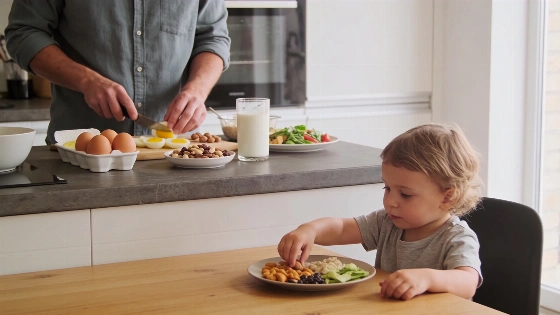
Protein powders aimed at children have become common in stores, promising everything from faster growth to stronger immunity. For most healthy kids, though, these products are driven by marketing, not real nutritional needs.
For children ages 4-8, the recommended daily protein intake is about 19 grams-a target easily met with regular meals, not supplements.
How much protein does a child really need?
Despite what supplement ads suggest, children don't need large amounts of protein. A child between 4 and 8 years old needs about 19 grams per day, which is easy to get from regular meals and snacks if the diet is varied. Instead of counting protein grams, parents should pay attention to the overall variety and quality of their child's food.
It's a common myth that more protein means more growth. Growth depends on many factors: genetics, sleep, activity, hormones, and a mix of nutrients-not just protein. Too many protein shakes can actually make kids feel full and less interested in real, nutritious food.
When supplements might be needed
Claims Check: The FDA prohibits dietary supplement brands from marketing protein powders as treatments for growth disorders or as substitutes for a balanced diet in healthy children. Clinical reviews consistently find that most healthy children meet their protein needs through food, and excess supplementation may pose risks, including exposure to contaminants such as heavy metals.
For most families, the real question isn't which protein powder to buy, but whether the basics are covered: regular meals, a mix of natural protein sources, active play, and enough sleep. Creating a positive, low-pressure atmosphere at mealtimes does more for a child's growth than any supplement.
Building lasting healthy habits
Protein powders are a convenience, not a necessity, for healthy children. The real foundation for growth and development is built on everyday food choices-home-cooked meals that offer protein along with fiber, vitamins, minerals, and healthy fats. Parents who look past the marketing and focus on real food are giving their children the best start.
It's time to stop letting flashy packaging decide what goes on the family table. For most kids, the answer is simple: skip the powder, serve a balanced plate, and let healthy habits do the work.
For parents who want more details about protein needs and safe supplementation, the NIH Office of Dietary Supplements offers evidence-based resources. Groups like the Clean Label Project also test protein powders for contaminants, which is especially important if you're considering these products for children.