
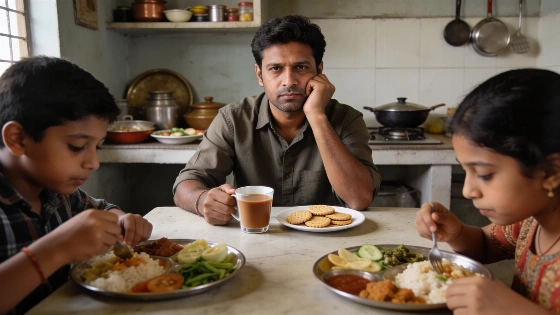
Fatty liver, high cholesterol, and unstable blood sugar are turning up in Indian fathers who seem healthy on the outside. Signs like constant tiredness, a growing waist, and restless sleep often get dismissed as just part of being responsible. But dietitian Lavleen Kaur says these problems aren't inevitable-they're the result of years spent putting everyone else first and letting personal nutrition slip into the background.
In India, nearly 40% of adults have abdominal obesity, but this is not always reflected on the weighing scale-making waist circumference and label transparency on serving size and macronutrient ratios critical for product selection.
Why familiar foods are not the enemy
Staples like roti, rice, and paratha aren't the problem. The real issue is what's missing from the plate. Indian meals often lean heavily on carbohydrates, with little protein or vegetables for balance. Kaur says, "Roti, rice and paratha do not need to be feared or removed. They need company." Adding dal, beans, paneer, curd, eggs, fish, or chicken makes meals more filling and nutritious. Seasonal vegetables add fiber, color, and nutrients that often get left out.
Small habits add up. Multiple cups of sweet tea, biscuits during meetings, namkeen in the evening, frequent restaurant meals, and weekend alcohol might seem harmless on their own. But together, they push sugar, salt, and processed food intake much higher than most people realize. Kaur's advice isn't about strict rules: "It may be as simple as gradually reducing sugar in tea, keeping roasted chana or nuts at work, choosing fruit with a few nuts or seeds, and keeping packaged snacks occasional."
Quick fixes and food fears backfire
Claims Check: Many nutrition shakes and meal replacements marketed for 'weight management' or 'metabolic health' in India highlight low calories or 'no added sugar' but often under-disclose protein content, fiber type, or sweetener dosage. Regulatory guidance from the FDA and EFSA requires that any health claim-such as 'supports liver health' or 'boosts metabolism'-must be substantiated by published clinical evidence and clearly stated ingredient amounts.
Weight isn't the only measure of health. A slim appearance doesn't guarantee a healthy liver, cholesterol, or blood sugar. Someone with a larger body might actually be making progress in strength, sleep, and digestion. Waist size, energy, sleep quality, muscle health, and medical reports together give a clearer picture.
Beyond food-habits that matter
Nutrition is just one part of the story. Poor sleep, long hours sitting, chronic stress, and eating in a rush all disrupt digestion and blood sugar. Simple steps-like a short walk after meals, regular strength-based movement, better sleep routines, and a few calm breaths before eating-can help more than any extreme diet.
Waiting for a diagnosis is risky. Regular health checks and small, steady changes can catch problems early. Healthy eating doesn't mean giving up Indian food or following a separate "diet." It means building meals that nourish and satisfy at every stage of life.
When fathers finally give their own health the same care they give their families, everyone benefits. Self-care isn't selfish-it's responsible. Indian fathers can change their health story, one meal and one habit at a time.