
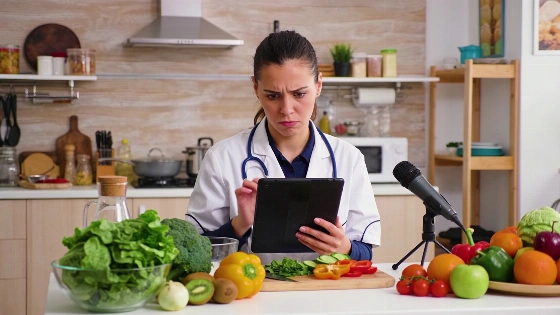
According to Dr Emily Prpa, 98 percent of nutrition videos on social media are, in her words, "complete and utter BS." That figure comes from a 2024 study by Dublin City University and MyFitnessPal, which reviewed thousands of popular nutrition clips and found that almost none gave accurate information. If you're looking for health advice online, the odds are not in your favor.
In a recent analysis of 300 TikTok and Instagram videos tagged as healthy eating, 68% of the nutrition information was rated as misleading or deceptive, and only 4.7% of content from unqualified influencers was found to be accurate.
The scale of the problem is hard to ignore. While the 98% figure is widely repeated, independent checks are limited, and most reports simply summarize the original research. Still, a peer-reviewed study found that nearly 70% of diet advice on TikTok and Instagram is misleading, and 78% of creators lack formal nutrition training. Qualified professionals were much more likely to give correct advice-45.5% of their content was rated as accurate, compared to just 4.7% for non-experts.
Social media only adds to the confusion. "What grabs people's attention is very binary language-everything is 'toxic' or 'miracle,'" Dr Prpa says. But real health advice rarely fits into a three-minute video or a viral soundbite. The nuance disappears, and people end up anxious about every bite. Food Standards Scotland has found that people trust social media nutrition advice far less than information from traditional news or media-a sign of the wider trust gap online. Consumer tracker data shows this is a persistent problem.
Claims Check: Many products tout benefits like 'detox', 'gut health', or 'immune support' without providing ingredient dosages that match those used in clinical trials. Under FDA dietary supplement regulations, brands cannot claim to diagnose, treat, cure, or prevent any disease unless supported by substantial scientific evidence and proper labeling.
Dr Prpa's advice is straightforward. She wants to move away from the internet's obsession with cutting foods out and blaming ingredients. "The strongest evidence suggests we should be adding to our diet, not taking things away," she says. Instead of chasing the latest restrictive trend, she recommends focusing on what actually supports long-term health-like fiber, which she thinks will soon get more attention than protein.
She also points out the pressure to always "do more" for wellness. "Your body needs time to rest and be in the parasympathetic nervous system, where we can reap the benefits of the exercise we do and digest the food we've made look so beautiful for Instagram." Her favorite underrated habit? A simple walk-what she jokingly calls a "hot-girl walk" or even a "fart-girl walk"-for digestion, gut health, and energy.
What actually works in real life
On Feel Good Formula, Dr Prpa and McDermott look at what science says versus what actually works for people day to day. "Something might work in the lab, but does it actually work in real life? It's nice to have the lived experience as well as the scientific evidence," she says. Her research on the gut microbiome highlights the value of fiber and a food-first approach, but she's wary of the industry's habit of turning every nutrient into a product-"At some point, they might start charging us for air."
For anyone overwhelmed by conflicting advice, Dr Prpa offers some reassurance: "We're always looking for a definite answer, which can be a challenge in a wellness world that changes its opinion about breakfast every Tuesday." Her message is simple-stop worrying about getting it wrong. "I honestly think we're doing better than what we're being told on social media, I really do. So give yourself a pat on the back-you're doing all right."
Dr Prpa's bottom line is blunt: the wellness industry profits from confusion, especially among women, and social media is full of bad advice. The real path to health isn't about chasing trends or fearing food, but about building simple, evidence-based habits that fit real life. Until the industry puts science ahead of hype, consumers will have to look out for themselves-armed with skepticism, not just supplements.
The 'Feel Good Formula' podcast is available on all major platforms.