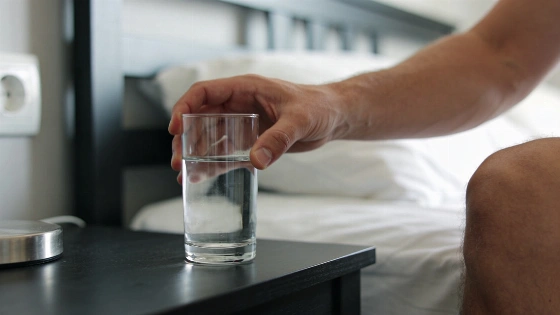
A night without a drink can leave anyone thirsty by morning. But persistent thirst, especially alongside frequent urination, can point to high blood sugar. When glucose rises enough, the kidneys may remove more of it in urine, and water leaves with it. Thirst alone cannot diagnose diabetes.
Dry air can cause thirst. So can breathing through your mouth while asleep. Dehydration, fever, vomiting or diarrhea, and some medications are other possible causes. A temporary dry mouth after hours without fluids is not a reliable sign of high glucose. MedlinePlus lists common causes of excessive thirst.
When checking a packaged shake, compare the serving size with the amount you actually drink, then review total carbohydrate and added sugars. A product's protein content does not tell you how much sugar or carbohydrate it contains.
How thirst and glucose can be connected
With substantial hyperglycemia, glucose in the urine can increase water loss. That can contribute to frequent urination and thirst. Dehydration can also affect glucose readings, so a single reading or a thirsty morning needs context. Drinking water can replace lost fluids, but it does not independently treat high blood sugar or replace prescribed diabetes care.
For people comparing nutrition shakes, the Nutrition Facts panel can help distinguish a hydration choice from a meal replacement or protein drink. Check the serving size and calories per serving. Then look at total carbohydrate and added sugars. Protein is listed separately. Confirm whether the package contains more than one serving. A "low sugar" or "clean energy" claim does not establish that a drink will lower glucose. The numbers and ingredients on the label matter.
Thirst is a signal to notice, not a diagnosis. Strong thirst and frequent urination are recognized diabetes symptoms, but diagnosis depends on blood tests, not symptoms or a product claim.
Claims Check: Diabetes is diagnosed using laboratory tests, not thirst alone. Common diagnostic thresholds include A1C of 6.5% or higher, fasting plasma glucose of 126 mg/dL or higher, or a two-hour oral glucose tolerance result of 200 mg/dL or higher; clinicians generally confirm a diagnosis with repeat testing.
What to do with the signal
If unusual thirst keeps happening, or you are urinating more often, discuss the pattern with a health care provider. Testing may include an A1C or a blood glucose test. If you already monitor glucose with a meter or continuous glucose monitor, follow your care team's instructions on when and how often to check. Thirst cannot estimate your glucose level.
For someone with diabetes, sudden intense thirst alongside frequent urination may signal a serious complication, including diabetic ketoacidosis. Nausea or vomiting can also be warning signs. Abdominal pain is another. Seek urgent medical care for difficulty breathing, confusion, or marked weakness.
Hydration supports the body's fluid balance, but water does not lower glucose on its own. It should not replace medication, glucose monitoring, or medical advice. When choosing a shake or drink mix, compare its added sugars and carbohydrate content with your needs. Swapping a sugary drink for water can avoid those drink calories and sugars, but it is not a substitute for diabetes treatment. The related diabetes eating guide covers food choices and carbohydrate quality.