
Your breakfast decision can shape your heart health for the rest of the day. High triglycerides-fats that circulate in your blood-raise the risk of heart attack, stroke, and even pancreatitis. Unlike some other lab results, triglycerides can shift quickly based on your morning routine, not just long-term habits.
For most nutrition shakes and meal replacements, the protein-to-calorie ratio and added sugar content are the most critical label metrics for triglyceride management. Look for products with at least 15g protein per serving and less than 5g added sugar.
Skip the sugary cereal and white bread. The American Heart Association's 2026 Dyslipidemia Guidelines recommend high-fiber, low-glycemic breakfasts to help lower triglycerides. Refined carbs spike your blood sugar, which prompts your liver to make more fat and pushes triglyceride levels higher. Foods rich in fiber-like oats, whole-grain bread, or Greek yogurt with berries-slow down absorption and help keep those numbers in check, especially if you have insulin resistance. Dietitian Kiran Campbell, RDN, sums it up: more fiber, less sugar. You do not need a perfect breakfast, just a better one.
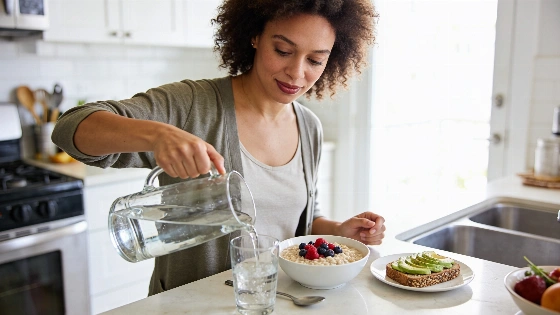
A bowl of oatmeal with fruit or a slice of whole-grain toast with avocado is not just a healthy habit-it directly affects how your body handles fat. For many people, this can mean the difference between needing medication and managing with lifestyle alone. The 2026 ACC/AHA guidelines define triglycerides above 200 mg/dL as high, and now recommend a more personalized risk assessment, sometimes using apoB if triglycerides are elevated (see clinical guideline).
Claims Check: Many nutrition shakes and powders market themselves as 'heart healthy' or 'metabolism boosters.' Under FDA regulations, such claims must be substantiated by clinical evidence and cannot imply disease treatment or prevention unless specifically approved. Always cross-reference the Supplement Facts panel for actual fiber, protein, and added sugar content, as these are the nutrients most directly linked to triglyceride response.
That caramel latte or glass of juice is not harmless. Sugar-sweetened drinks-coffee beverages, sodas, juices-are linked to higher triglyceride levels, either directly or by adding extra calories. Rhee is clear: skipping added sugars in your morning drink is one of the best ways to lower your triglycerides. Water is the best choice. If you want coffee, keep it unsweetened and avoid flavored syrups. Every time you pick water over a sweetened drink, you help your blood fats.
Morning habits matter, but they are only part of the picture. Alcohol is a major driver of high triglycerides-cutting back or quitting can lower your numbers quickly. Weight loss helps too: losing just 5% to 10% of your body weight can drop triglycerides by up to 30% if you have overweight or obesity. The type of fat you eat is important. Campbell suggests limiting saturated fats from processed meats and full-fat dairy, and choosing unsaturated fats like olive oil, avocado, nuts, seeds, and fatty fish such as salmon for their omega-3s. The 2026 guidelines also note that for people with triglycerides in the 135-499 mg/dL range and high cardiovascular risk, icosapent ethyl (a purified omega-3) now has a stronger recommendation than before (see PubMed clinical review).
If your triglycerides stay high despite these changes, do not try to manage it alone. Rhee points out that while diet and exercise are the first steps, sometimes you need medical advice for a tailored plan. The new guidelines also recommend a more individualized risk calculation, moving away from older formulas and toward the PREVENT model, which can lead to earlier intervention for some people (see guideline update).
Consistency matters more than perfection. The best diet is the one you can stick with, and the best exercise is the one you will actually do. If you start your day with a fiber-rich breakfast, a glass of water, and a short walk, you are already lowering your triglycerides. The evidence is strong. For anyone serious about heart health, the first hour of your day is where real progress starts.