
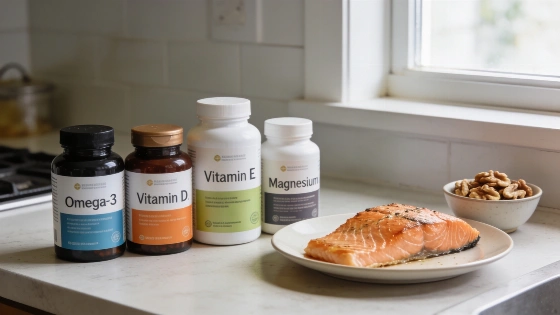
Omega-3 supplements are a go-to for heart and brain health, but their effects can shift depending on what you take alongside them. Dietitians often mention four nutrients-vitamin D, vitamin E, curcumin, and magnesium-that might boost the benefits of omega-3s, especially for people focused on inflammation, cardiovascular risk, or metabolic health. Still, before adding anything new, it's important to know what actually helps and what might just complicate your routine.
Many omega-3 supplements list total fish oil content, but only the EPA and DHA amounts matter for clinical efficacy. Look for products that disclose these values per serving.
Why These Four Supplements Stand Out
Vitamin D and omega-3s both play a role in immune function and inflammation. Some research suggests they may work well together, especially for immune and inflammatory health. But large clinical trials, like VITAL (with over 25,000 participants), didn't find a clear drop in major heart events for most people taking vitamin D3 and/or omega-3s-except possibly for those who rarely eat fish. This points to the need for a personal approach, not a one-size-fits-all supplement plan.
Vitamin E helps protect omega-3s from oxidation, which can reduce their effectiveness. If you eat plenty of nuts, seeds, and plant oils, you probably get enough vitamin E from food. Supplementing only makes sense if your diet is lacking. There's no strong clinical or regulatory support for routinely combining omega-3s with vitamin E, curcumin, or magnesium for everyone.
Claims Check: While some brands market omega-3 stacks with vitamin D, E, curcumin, or magnesium as synergistic for heart or immune health, major clinical trials (such as VITAL and TARGET-D) have not shown significant reductions in cardiovascular events for most users. Regulatory authorities require that supplement claims be supported by robust evidence and prohibit disease treatment claims on labels.
Food First-Supplements Second
Supplements can help fill nutritional gaps, but they don't replace a balanced diet. Fatty fish like salmon, sardines, trout, herring, and mackerel are still the best sources of EPA and DHA. If you eat plant-based, walnuts, chia seeds, flaxseed, and hemp seeds provide ALA, a plant form of omega-3. If you do choose supplements, look for clear Supplement Facts panels and third-party verification from organizations like USP or NSF.
Take omega-3 supplements with a meal that contains some fat to help your body absorb them. Linking your supplement to a regular meal can also make it easier to remember.
What to Know Before Combining Supplements
Adding more supplements isn't always better. Each nutrient interacts with your body-and sometimes with medications-in its own way. Curcumin and magnesium, for example, can affect how certain drugs work, and too much vitamin E can be a problem if you already get enough from food. Always check with your healthcare provider or a registered dietitian before starting new supplements, especially if you take medication or have health conditions.
Omega-3s are important for heart and brain health, but what you pair them with can help or hurt. Vitamin D, vitamin E, curcumin, and magnesium each have their own role, but none are cure-alls. The best approach is to eat a diet rich in omega-3s and only use supplements to address real gaps. Otherwise, you may just be spending money without much benefit.