
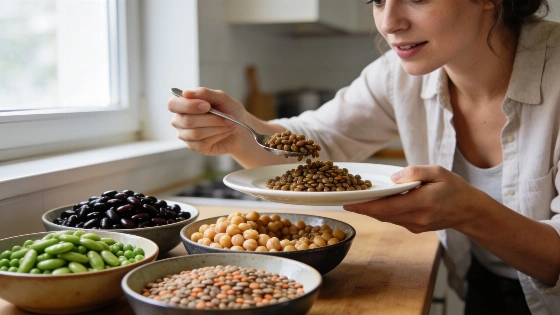
Eggs have long been the go-to for protein. But some plant foods do more. They give you more protein per serving and add fiber-something eggs don't have. That means meals that fill you up, help your muscles, and keep your digestion on track.
A large egg provides about 6.3 g protein and 0 g fiber, while a cup of cooked lentils or black beans delivers roughly 9 g protein and up to 15-16 g fiber-over double the protein-to-fiber ratio of eggs.
Which foods give you more protein and fiber than an egg?
Here are the numbers. One egg has about 6 grams of protein and almost no fiber. That's confirmed by the USDA FoodData Central and other nutrition sources. A cup of cooked black beans or lentils usually has 9 grams of protein and anywhere from 8 to 16 grams of fiber, depending on the type and how you cook them. Edamame is even higher, with about 11 grams of protein and 5 grams of fiber per 100 grams. Green peas have about 8 grams of protein and 8 grams of fiber per cup. That's far more fiber than eggs offer.
These aren't just numbers for food labels. When you eat foods with both protein and fiber, you stay full longer and your energy stays steady. Dietitian Toby Amidor, M.S., RD, points out that eating beans and lentils often can help your heart, keep blood sugar in check, and help with weight control. They also bring nutrients many people miss, like potassium, magnesium, iron, and folate.
How to use high-protein, high-fiber foods in real meals
These plant foods are easy to use. Black beans work in salads, grain bowls, veggie burgers, or chili. You can use them canned or cook them yourself. Chickpeas are just as flexible. Blend them into hummus, roast them for snacks, toss them in salads, or try a chickpea scramble instead of eggs. Bianchini even adds chickpeas to chocolate chip cookies for extra protein and fiber.
Claims Check: While many brands market plant-based protein powders and meal replacements as superior for satiety and gut health, only products with fully disclosed fiber content and clinically relevant protein dosages can substantiate these claims under FDA labeling rules. Always verify the Supplement Facts panel for actual grams of protein and fiber per serving, and look for third-party certifications such as NSF or USP for added label integrity.
Why protein and fiber together matter for health
Getting both protein and fiber isn't just a nutrition trend. It's a real way to help control blood sugar, stay full, and build better meals. Both slow down digestion, so you feel satisfied and are less likely to reach for snacks that don't help you. This matches what we reported earlier about fiber's role in blood sugar and metabolic health.
Eggs still have a place in a balanced diet, especially if you like them. But you don't have to pick between protein and fiber. Mixing these plant foods-or adding them to eggs-can make any meal better. Try a black bean quiche or a breakfast bowl with lentils and greens for both protein and fiber.
Black beans, chickpeas, edamame, green peas, and lentils don't just match eggs for protein-they beat them, and they bring the fiber eggs lack. If you want to stay full, support your muscles and digestion, and make meals more satisfying, these foods are the clear choice. The research is clear: choosing foods with both protein and fiber is a smart move for anyone who wants better health and lasting fullness.