
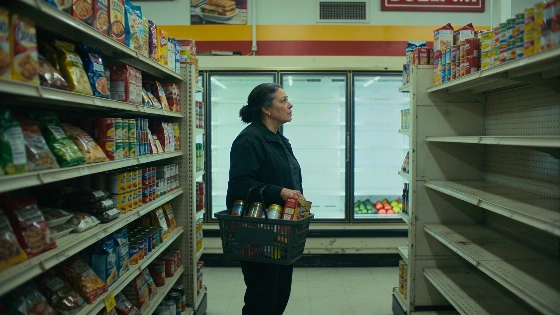
Rates of obesity, diabetes, and hypertension are climbing fastest in neighborhoods where dollar stores have replaced full-service supermarkets. The main reason isn't the cost of food, but the lack of fresh vegetables, fruit, and dairy, according to a new study from the University of California Riverside. For people who use nutrition shakes, protein powders, or meal replacements, this matters: the local food environment shapes both the need for supplements and the risks of relying on processed options.
Researchers mapped more than 34,000 dollar stores and nearly 31,000 supermarkets across the continental U.S., looking at access for over 76 million people in 50 major metro areas. Their findings, published in BMC Public Health, are clear: people living in areas with lots of dollar stores have worse health outcomes, even after adjusting for income and unemployment. The pattern holds for obesity, type-2 diabetes, hypertension, and high cholesterol. For anyone focused on nutrition labels, this is a reminder that ingredient transparency and protein-to-calorie ratios aren't just marketing-they're necessary to fill gaps in the local food supply.
In low-income neighborhoods dominated by dollar stores, the absence of fresh produce and dairy means most shelf-stable foods are high in refined carbs, added sugars, and sodium-making protein purity and label transparency critical for meal replacements.
Shake Nutrition Editorial Desk
What the data actually shows
Lead author Ryan Bruellman and his team used drive-time analysis to see how many food retailers were within a ten-minute drive of each census tract. In neighborhoods where dollar stores outnumber supermarkets, residents often have little choice but to buy ultra-processed, shelf-stable foods. Fresh produce and dairy are mostly missing from these stores, making it hard to put together balanced meals if you can't get to a regular supermarket. Other research confirms that discount retailers rarely offer a full range of fresh foods, especially in low-income areas where people rely on them for groceries.
The study challenges the idea that poverty alone explains poor health in these communities. Even after removing income and employment from the equation, the link between dollar store density and chronic disease stayed strong. The researchers suggest that dollar stores could partner with local farmers to stock fresh produce, and that food banks and farmers markets should move closer to these neighborhoods, since they tend to cluster in wealthier areas. For people considering nutrition shakes or protein powders, it's important to check the Supplement Facts panel for protein source (whey, casein, pea, rice), sweetener type (stevia, sucralose, sugar alcohols), and serving size. Products with vague ingredient lists or proprietary blends may hide high levels of added sugars or low protein purity, which can make things worse for anyone already missing out on whole foods.
Claims Check: Many meal replacement and protein shake brands market their products as solutions for "clean energy", "immune support", or "gut health". However, under FDA dietary supplement regulations, such claims must be backed by clinical evidence and cannot imply disease treatment or prevention unless supported by strong data. Always cross-reference label claims with published research and regulatory guidance.
FDA / Clinical Nutrition Review
Why this isn't just an American problem
The U.S. dollar store model is unique, but the bigger issue-food access-shows up elsewhere. Discount chains like Aldi and Lidl in Germany do sell fresh produce, but rural areas face a different problem: as small shops close and chains pull back, entire villages become what geographer Ulrich Jürgens calls "mental food deserts." People feel like food access is gone and change their shopping habits, which speeds up the decline of the remaining stores. The result is the same: fewer options for fresh, healthy food, and a real impact on public health. For nutrition shake users, this is another reason to look for products that are third-party tested for label accuracy and contaminants, such as those with NSF Certified for Sport or USP verification.
What this means for food policy and everyday choices
Dollar General and Dollar Tree have moved into the gaps left by supermarket closures in low-income U.S. neighborhoods, but their shelves don't replace a full-service grocery store. Pilot programs in Germany testing autonomous markets and mobile sales haven't solved the fresh food gap either. The evidence is clear: what's actually available to buy shapes what ends up on the dinner table and, in the long run, in our bodies. For anyone relying on meal replacements, it's important to compare price per serving, protein-to-calorie ratio, and the amount of added sugars or artificial sweeteners, using benchmarks from USDA FoodData Central as a reference.
If you're trying to eat healthier on a budget, the lesson is straightforward. It's not just about finding the lowest price; it's about what you can actually buy. If your only nearby option is a dollar store, you're likely stuck with a steady diet of ultra-processed foods, with real health consequences. Until retailers and policymakers address the lack of fresh food in these neighborhoods, the cycle of poor nutrition and chronic disease will continue, no matter how cheap the groceries are. The data is clear: food quality, not just affordability, is the real public health issue. For supplement shoppers, this means demanding full label transparency and independent testing-especially when whole food options aren't available.