
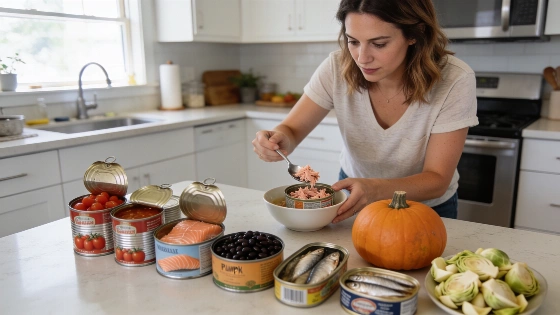
Canned foods have a reputation for being salty and bland, but that misses the real story. If you're trying to manage inflammation, some of the best tools might already be in your pantry. Dietitians regularly recommend certain canned staples for their anti-inflammatory nutrients, and they're not hard to find.
Chronic inflammation isn't just a buzzword. It's a biological process that, if left unchecked, can raise your risk for heart disease, diabetes, cancer, and joint problems. While acute inflammation helps your body heal, chronic inflammation is the slow, quiet kind that can wear you down over time. What you eat can make a difference.
Canned salmon typically delivers around 20 grams of protein and over 700 mg of EPA+DHA omega-3s per 5-ounce serving, while no-salt-added canned tomatoes provide 2,500-2,700 mcg of lycopene per 100 grams with minimal sodium.
- Shake Nutrition Editorial Desk
Six canned foods that stand out for inflammation
Dietitians often point to six canned foods that deliver anti-inflammatory nutrients without much fuss or expense: tomatoes, salmon, black beans, pumpkin, sardines, and artichoke hearts. Each brings something different to the table.
Canned tomatoes are a top pick for lycopene, a strong antioxidant. The canning process actually makes lycopene easier for your body to absorb. Food composition data shows that canned tomatoes in juice can have about 2,500-2,700 mcg of lycopene per 100 grams, and no-salt-added versions have as little as 10 mg sodium per 100 grams-much less than most processed foods. The more bioavailable Z-isomer form of lycopene is common in human tissues, which supports the idea that processing can help with absorption.
Canned salmon is more than just a protein source. It's a reliable way to get long-chain omega-3s (EPA and DHA). Food databases confirm about 20 grams of protein and 709 mg EPA+DHA per 5-ounce portion. Pink salmon canned without salt contains about 0.84 grams of EPA per 100 grams. Many brands also note vitamin D content, and the ingredient list is usually short-often just salmon, water, and salt (or no salt).
Claims Check: While many brands market canned salmon and tomatoes as anti-inflammatory superfoods, FDA regulations require that any health claims be backed by significant scientific agreement. For omega-3s, the FDA recognizes their role in heart health, but brands can't claim to treat or cure inflammation-related diseases without strong clinical evidence.
- FDA / Clinical Nutrition Review (source)
Black beans are loaded with antioxidants like quercetin and saponins. Quercetin is a natural anti-inflammatory compound that may help lower LDL cholesterol and reduce the risk of atherosclerosis. Beans also provide prebiotic fiber, which supports gut health-a factor increasingly linked to inflammation control. While black beans get the spotlight, all beans offer similar benefits, and rinsing them can reduce sodium content by up to 40%.
Pumpkin isn't just for pie. The canned version is rich in beta carotene, which your body converts to vitamin A-an antioxidant with anti-inflammatory and anticancer properties. Always check the ingredient list for pure pumpkin and skip pie mixes with added sugars. Reading labels closely is key if you want foods with minimal additives.
Sardines are often overlooked, but they deliver calcium, omega-3s, and a solid dose of vitamin D-enough to cover a big part of your daily needs in one serving. Research links vitamin D to lower levels of CRP, a marker of inflammation. Sardines can be used like canned tuna for sandwiches or salads, and their labels are usually simple: fish, water or oil, and salt.
Artichoke hearts round out the list, thanks to antioxidants cynarin and silymarin. Cynarin may help reduce inflammation by boosting the activity of certain proteins in the body. Artichoke hearts also bring fiber, which supports gut health and regularity. As with other canned vegetables, choosing low-sodium or no-salt-added options gives you the most benefit.
How to shop for anti-inflammatory canned foods
Not all canned foods are equal. For the best results, look for low-sodium or no-salt-added labels-too much sodium can cause bloating and water retention. Rinsing canned beans and vegetables under cold water can cut sodium by up to 40%. Avoid added sugars, especially in products like pumpkin, where pie mixes can sneak in sweeteners. Always check the ingredient list for hidden extras and choose products with short, clear ingredient panels.
Variety matters. Pair these canned staples with whole grains, lean proteins, and fresh or frozen produce to build balanced meals with a range of nutrients. The goal isn't to rely on one food, but to create a pattern of eating that supports your body's defenses against chronic inflammation. For more on nutrition benchmarks, see the USDA FoodData Central database.
Why these pantry staples matter now
With grocery prices up and schedules tight, canned foods offer a rare mix of affordability, convenience, and real nutrition. Stocking your pantry with these six picks means you're always a few minutes away from a meal that does more than just fill you up-it can support your health goals.
If you're serious about managing inflammation, the evidence is clear: the right canned foods can be a smart part of your diet, not just a backup when fresh options run out. The real work is in choosing wisely-reading labels, skipping added sodium and sugar, and using these foods as building blocks for balanced meals. In a world where chronic inflammation is a growing concern, a can opener might be one of your best tools for better health.