
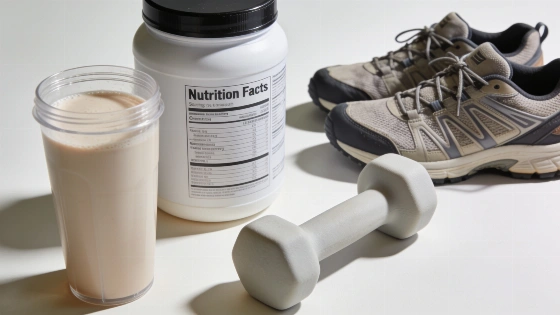
In a morning workout shared before a broadcast, Al Roker showed treadmill time, dumbbells and balance exercises. Reports on his routine also describe standing on one leg, walking and strength work. That's personal fitness context, not proof that a supplement is needed or effective.
Coverage of his schedule has cited a daily goal of 10,000 steps and shorter strength sessions when a longer workout is not practical. None of those details identify a nutrition product, its ingredients or a supplement dose. The distinction matters.
The available details describe exercise, not a nutrition product: no shake label, serving size, protein amount or active-ingredient dosage is reported. There is no product metric to infer from this routine.
At the shelf, a protein powder's front label may promise "healthy aging" or "strength." The Nutrition Facts or Supplement Facts panel shows serving size, calories, protein grams, added sugars and ingredient amounts. Check whether the protein comes from whey, casein, soy or plant sources. Compare the price per serving, not just the price on a large tub.
MedlinePlus explains protein basics. Individual needs can vary, so a celebrity's routine cannot set a personal target.
Roker has spoken publicly about prioritizing physical activity after his 2020 prostate cancer diagnosis. That background helps explain why movement matters to him. It does not support a claim that a shake prevents, treats or reverses disease. Recent reports also clarified that he left the Today broadcast early for jury duty, not a health emergency.
Claims Check: A celebrity's exercise routine does not establish that a shake supports healthy aging, builds strength or treats a medical condition. FDA rules distinguish permissible structure/function language from disease-treatment claims, and marketing wording is not a substitute for disclosed ingredient amounts or clinical evidence.
A product may promise "muscle support," "gut health" or "immune support." Look for the relevant ingredients and their amounts, not only a proprietary blend's total weight. A blend can hide how much of each component it contains. That makes it harder to compare the product with research or competing products.
The FDA's claims guidance explains the limits of supplement marketing language. It does not confirm that a product will benefit an individual shopper.
Roker's reported routine centers on regular movement and different kinds of exercise. A powder or ready-to-drink shake is one possible way to add nutrients when it fits someone's needs. Read the full label. Check allergens, sweeteners and cost per serving. Treat broad promises as questions, not proof.