
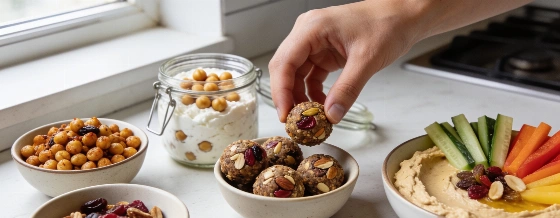
Most packaged snacks that claim to support gut health don't deliver much fiber or protein. Instead, the snacks that actually help your digestion are often the ones you make at home-simple recipes built around real ingredients, not added sugar or empty calories. These are the snacks readers keep coming back to for a reason.
What makes these snacks different? Each one starts with ingredients known for their fiber or plant protein: chickpeas, black beans, avocados, nuts, and fruit. They're not just quick energy fixes. They're meant to keep you full, give you steady energy, and support your gut microbiome.
USDA data confirms that cooked chickpeas deliver about 7.6 g fiber and 8.9 g protein per 100 g, while low-fat cottage cheese provides 11-12 g protein but 0 g fiber per serving-so any fiber claim for cottage cheese snacks must come from added ingredients, not the dairy itself.
- Shake Nutrition Editorial Desk
According to FDA and USDA guidelines, most adults should aim for 25-30 grams of fiber per day, with 28 grams as the official Daily Value. A snack with 6-8 grams of fiber per serving can make a real dent in that goal, especially if it's built around legumes like chickpeas or black beans.
Roasted chickpeas are a favorite here, showing up twice: Ranch Roasted Chickpeas (seasoned with garlic, onion, and herbs for a tangy crunch) and Crunchy Roasted Chickpeas (a lighter alternative to nuts that still packs fiber). Both are easy to eat by the handful or toss onto salads and soups for extra texture.
Energy balls and bites are another staple, but these aren't the sugar bombs you find in stores. Trail Mix Energy Bites use black beans for binding, adding plant protein and fiber, while dates and apricots bring natural sweetness. Blueberry-Pecan Energy Balls mix dried blueberries, pecans, cacao nibs, and chia seeds, with just a touch of maple syrup. Fig Newton-Inspired Energy Balls use figs, dates, almond butter, and oats for a chewy, fiber-rich snack that skips the processed ingredients of the classic bar.
Claims Check: While many snacks are marketed as "gut healthy," regulatory authorities such as the FDA require that any digestive health claim be backed by the actual fiber content and ingredient list. Official guidance stresses that fiber intake-not any single food or supplement-supports digestive function, and "gut health" claims can't imply disease treatment or prevention without strong clinical evidence.
- FDA / Clinical Nutrition Review
If you prefer creamy snacks, the Cottage Cheese Snack Jar offers 20 grams of protein and 5 grams of fiber per serving, with chickpeas added just before eating for crunch. It's worth noting that cottage cheese itself has almost no fiber; the fiber comes from mix-ins like chickpeas or seeds. Avocado Hummus and Garlic Hummus both use chickpeas as a base, with avocado or garlic for extra flavor and creaminess. These dips work well with veggie chips, pita chips, or raw vegetables.
Fruit and nuts: more than just sweetness
Fruit-based snacks like Carrot & Banana Muffins and Lemon-Strawberry Frozen Yogurt Bites offer natural sweetness without added sugar. The muffins combine carrots and bananas for a moist, nutrient-dense bite. The yogurt bites coat strawberries in tangy yogurt with lemon zest and a dusting of freeze-dried strawberries. Lemon-Blueberry Frozen Yogurt Bites pair probiotic yogurt with prebiotic blueberries, supporting gut health from both sides. You can swap in raspberries or strawberries for variety.
Nuts get a savory twist in Pizza Pistachios, where nutritional yeast stands in for cheese flavor, making a snack that satisfies cravings without the saturated fat. The anti-inflammatory energy balls, inspired by Cherry Garcia ice cream, use dark chocolate and dried tart cherries-both sources of polyphenols found in cherries that may help with inflammation.
Convenience and customization
All of these snacks can be made ahead and stored for easy grab-and-go eating. The Easy Black Bean Dip is a creamy, smoky option for parties or picnics, with smoked paprika and chipotle for depth. If you want to keep your recipes organized, the MyRecipes app lets you save and access these favorites from anywhere, including Instagram and TikTok.
Turmeric often gets attention for gut health, but as covered earlier, the real benefits come from everyday foods that provide fiber, plant protein, and live cultures. These snacks show that you don't need exotic ingredients or expensive supplements to support your gut-just smart choices built around whole foods.
If you want practical, evidence-based ways to improve digestive health, focus on snacks that combine fiber, protein, and little or no added sugar. The recipes here offer a straightforward approach to gut-friendly eating that's both satisfying and sustainable. In a market full of empty claims, these snacks stand out for their ingredient quality and nutritional value.