
When Céline Dion walked onto the Paris La Défense Arena stage in September 2026, it was her first full concert in six years. The show followed her public struggle with stiff person syndrome, a rare neurological disorder that kept her offstage since 2022. News outlets like Reuters and NPR covered her return, which was both a personal victory and a reminder of how small comforts can matter during tough times.
A standard 2-tablespoon (32g) serving of peanut butter delivers about 7 grams of protein, according to USDA FoodData Central-making it a notable plant-based protein source for its calorie density.
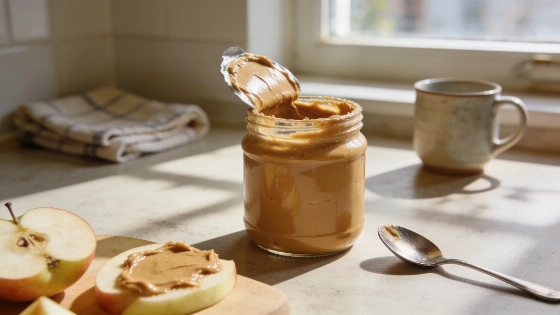
Peanut butter isn't just for sandwiches. It's a source of plant protein, mostly unsaturated fats, fiber, and nutrients like vitamin E, magnesium, and niacin. Still, it's not a complete protein-it's missing some amino acids you'd get from animal products or blended plant protein powders. Compared to protein powders, peanut butter has a moderate protein-to-calorie ratio: about 7-8 grams of protein per 180-200 calories, depending on the brand. Most whey or pea protein powders offer much more protein per scoop, but peanut butter's appeal is its simplicity and how filling it is.
Serving size matters. Peanut butter is calorie-dense, so it's easy to eat more than you realize. The USDA lists 2 tablespoons (32g) as a serving, but it's easy to go over that. If you're tracking calories or macros, check the Nutrition Facts label. The best ingredient lists are short-just peanuts and maybe a little salt. Added sugars or hydrogenated oils aren't necessary. Some brands add palm oil for texture, but it changes the fat profile and isn't needed nutritionally.
Claims Check: While peanut butter is often marketed as a 'protein-rich' or 'energy-boosting' snack, the FDA requires that such claims be substantiated by the Nutrition Facts panel and ingredient list. Products with added sugars or oils may not deliver the same nutritional value as 100% peanut-only spreads, and terms like 'natural' are not strictly regulated.
Peanut butter is more versatile than it gets credit for. You can blend it into smoothies, drizzle it over oatmeal, whisk it into dressings, or pair it with fruit. If you use nutrition shakes or meal replacements, a spoonful of peanut butter adds flavor and makes them more filling, though it also adds calories and fat. Powdered peanut butter, which has most of the fat removed, is a lower-calorie option, but often contains thickeners or sweeteners, so it's still worth reading the label.
Céline Dion's open fondness for peanut butter is a reminder that nutrition doesn't have to be complicated or exclusive. The real takeaway isn't about celebrity habits-it's about appreciating everyday foods that are practical, satisfying, and nutritious. Peanut butter earns its spot in the pantry not because it's trendy, but because it's a reliable, nutrient-dense staple that fits into real life. The next time you reach for a spoonful, you're in good company-and making a choice that holds up under scrutiny.