A lipid profile, not a set of symptoms, is how medical professionals usually identify high cholesterol. Nearly 25 million American adults are living with the condition, and many may not know it. The Centers for Disease Control and Prevention says it is typically detected with a blood test called a lipid profile.
Small changes can fit into an ordinary morning, from what goes into breakfast to time spent moving or unwinding.
Make breakfast work harder
Plant-based foods offer fiber and are naturally low in saturated fat, says board-certified cardiologist Mary Greene, M.D. They also provide antioxidants. They supply vitamins and minerals, too. Fruit and vegetables can go into breakfast. Whole grains are another option. Legumes, nuts and seeds can round it out.
Many plant foods contain sterols and stanols, which Greene says can block some cholesterol absorption in the intestines. Vegetable oil and canola oil are sources. Olive oil is another. Whole grains such as corn and rye contain them, as do barley and wheat. Avocado is also an option.
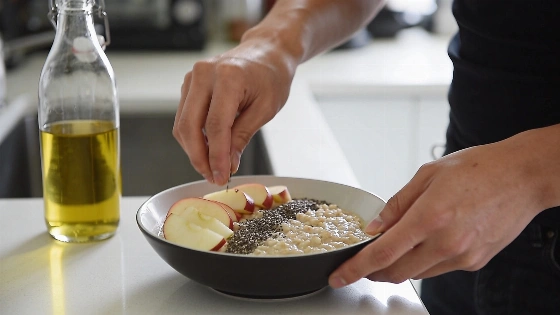
Soluble fiber is a particular focus. Veronica Rouse, RD, CDE, says it binds to cholesterol particles in the digestive system and helps carry them out of the body before they enter the bloodstream. Oats are a convenient breakfast source because they contain beta-glucan, a type of soluble fiber.
The Food and Drug Administration allows manufacturers to state that consuming 3 grams of beta-glucan daily may reduce coronary heart disease risk. That amount is just under 1 cup of dry oats. For a make-ahead breakfast, try our overnight oats recipe collection.
Rouse also recommends chia seeds and ground flaxseed. Barley is another choice. Soluble fiber is found in legumes and sweet potatoes. Peas and oranges contain it, too. Avocados, apples and pears are further sources. A fiber-rich breakfast may help regulate the body's use of sugar. Kim Rose, RDN, CDCES, LD, notes that consistently high blood sugar can raise LDL cholesterol.
Breakfast fats are another place to make a swap. Tracy Paeschke, M.D., a Colorado-based preventive cardiologist, says diets high in animal foods may increase cholesterol. Replacing saturated-fat-rich choices such as bacon and sausage may help. Cream cheese and butter are other options to swap for unsaturated fats to support healthier cholesterol levels.
Rouse recommends monounsaturated-fat sources such as avocado and nut butters. These may help reduce LDL cholesterol while increasing HDL cholesterol. Eggs can still fit a heart-healthy diet. Rose suggests cooking them in safflower oil or grapeseed oil instead of butter. Olive oil is another alternative.
The American Heart Association emphasizes that cholesterol management is part of broader cardiometabolic health. In an October 12, 2026, AHA report, Jennifer Neeland said losing about 3% to 5% of baseline body weight can lead to measurable improvements in cholesterol. The report also cites improvements in blood pressure and blood glucose. Its guidance highlights vegetables and fruits. It also recommends whole grains and beans, along with fish and lean proteins, to support cardiovascular health and sustainable weight management. A breakfast built around whole grains and fruit can be one part of that overall pattern. Nuts or seeds can fit, too, as the American Heart Association explains.
Build movement and a pause into the morning
Physical activity can positively influence cholesterol and strengthen the heart. Research has found that regular exercise can lower LDL cholesterol and triglycerides. It can also raise HDL cholesterol. The Centers for Disease Control and Prevention recommends at least 150 minutes of moderate-intensity exercise each week. Split into daily sessions, that works out to about 20 to 25 minutes each morning. The CDC also notes that high cholesterol usually has no symptoms, making regular lipid-profile testing important.
A walking plan can offer a starting point for people returning to exercise. Even a brief morning walk is a practical way to work movement into the day. The American Heart Association lists walking and stretching among the ways to add activity. Swimming is another option, as are light strength work and seated exercises. The AHA also notes that exercise can reduce visceral fat even without significant weight loss. The benefits come from regular activity, not from exercising at a uniquely effective time of day.
Stress can affect heart health by raising heart rate and blood pressure. It can also prompt the release of hormones such as cortisol and adrenaline. When stress is ongoing, those effects may contribute to higher cholesterol. Stress may also make heart-healthy food choices harder to maintain.
Taking 10 minutes for mindfulness is one way to begin the day more calmly. Deep breathing and meditation can fit. Journaling is another option, as is yoga. An outdoor morning workout can combine movement with time outside. The AHA also notes that poor sleep can disrupt hormones involved in hunger and fullness. Chronic stress may increase cravings and make healthy choices more difficult. Sleep and stress-management habits can support a heart-healthy routine, alongside regular checkups and any treatment recommended by a health professional.